


July Is UV Safety Month: Protect Your Skin and Help Prevent Skin Cancer
.jpg)
Summer is the perfect time to get outside, enjoy the sunshine, and spend time with family and friends. But it is also the time of year when our skin is exposed to some of the strongest ultraviolet (UV) rays. That is why July is recognized as UV Safety Month, an important reminder to protect your skin and lower your risk of skin cancer, including melanoma.
My name is Kelley Prendergast, PA-C and I am the Associate Medical Director at Greater Gardner Community Health Center. This blog post has special meaning to me because my family has had personal experience with melanoma, a type of skin cancer. Developing skin cancer can happen to anyone. The good news is that many types of skin cancers can be prevented, and early detection can save lives.
My hope is that everyone who takes the time to read this blog post will come away understanding just how important sun safety is for themselves and their families and how small changes to your daily routine can make a tremendous difference in protecting your skin for years to come.
For parents, one of the most powerful things you can do is to lead by example. When children see you applying sunscreen, wearing protective clothing and making sun safe choices, they're more likely to develop those same healthy habits.
Spark the conversations with friends, coworkers or family members who still use tanning beds (I still can’t believe people are using tanning beds, can you?) or for our teens who are following along with TikTok trends such as “Tan Maxxing” or “UV Index Tanning”. (Don’t let social media trends put your health at risk.) Gently remind them of the risks and suggest spray tans and self-tanners, that can give you a sun kissed glow without exposing your skin to harmful UV radiation.
Protecting your skin isn't about avoiding the sun altogether, it's about making smart choices.
Here is some basic information to review and at the end of the blog some great links to learn more:
Why UV Protection Matters
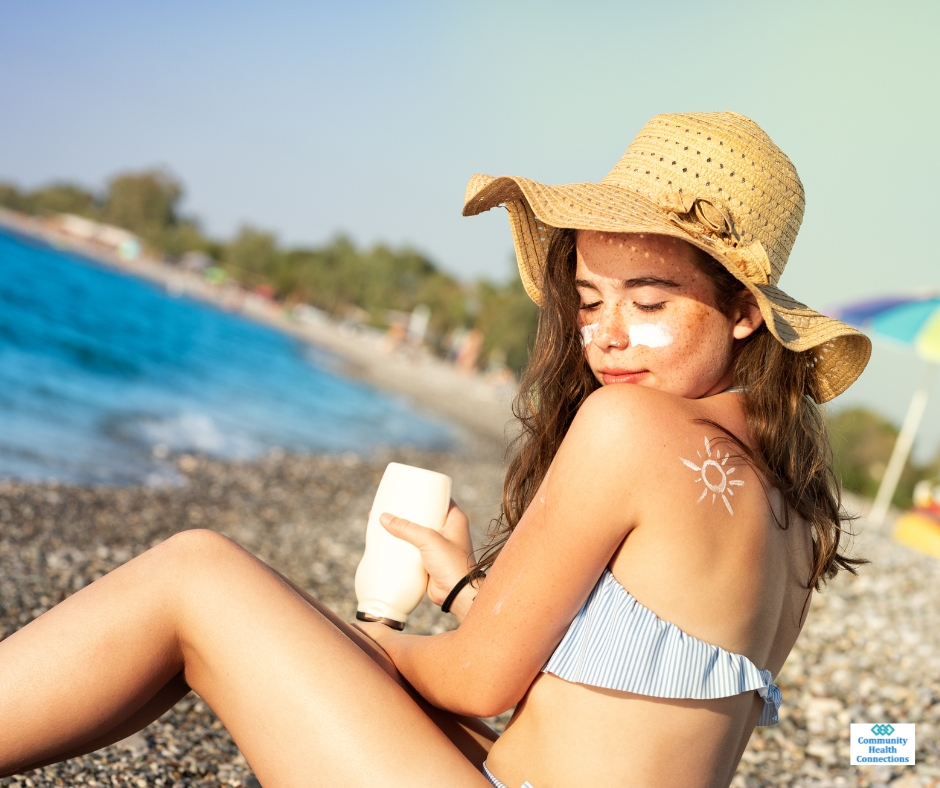
UV rays come from both the sun and tanning beds. They can damage your skin in as little as 15 minutes, even on cloudy days. Over time, that damage can build up and increase your risk of skin cancer.
There is no such thing as a safe tan. A tan is your skin’s response to UV damage. Indoor tanning beds are especially harmful and can also accelerate premature aging. If you like the look of tanned skin, choose a sunless tanner or spray tan instead. These products can give you a bronzed appearance without exposing your skin to harmful UV rays.
Make Sun Safety Part of Your Daily Routine
Protecting your skin does not have to be complicated. In our house, we make sun safety part of our routine. I apply broad-spectrum sunscreen with SPF 30 or higher to myself, and my children. And we reapply every two hours, especially after swimming, sweating, hiking, or spending extended time outdoors.
It is also helpful to wear protective clothing, including wide-brimmed hats, sunglasses, and long-sleeved clothing made with UV-blocking materials. When possible, seek shade or adjust your schedule to avoid peak sun hours, especially between 10:00 a.m. and 4:00 p.m. Remember that water, sand, and even pavement can reflect UV rays and increase your exposure.
Know the Warning Signs of Skin Cancer
Early detection is key. One helpful way to remember the warning signs of melanoma and other skin cancers is the ABCDE rule:
- A is for Asymmetry: One half of a mole or spot does not match the other half.
- B is for Border: The edges are irregular, uneven, or poorly defined.
- C is for Color: The color is uneven or includes multiple shades.
- D is for Diameter: The spot is larger than 6 millimeters, about the size of a pencil eraser.
- E is for Evolving: The mole or spot changes in size, shape, or color, or begins to itch, bleed, or crust.
If you notice any of these warning signs, or if you have a sore that will not heal, schedule an appointment with your health care provider.
Protect Children Early
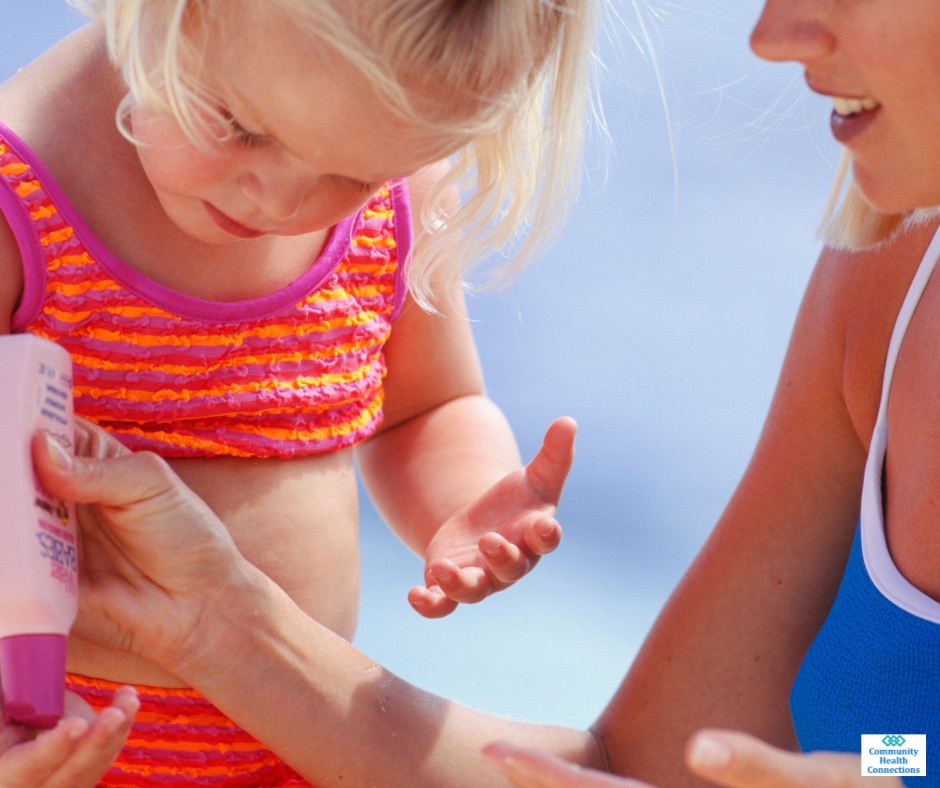
Sun protection should start early in life and so do healthy habits. Encourage children to apply sunscreen, wear hats and protective clothing, and take breaks in the shade.
.jpg)
Prevention Is the Best Defense
The best defense against skin cancer is prevention. By wearing sunscreen, avoiding tanning beds, limiting excessive sun exposure, and checking your skin regularly, you can significantly reduce your risk of melanoma and other skin cancers.
This July, make UV safety part of your everyday routine. Your skin protects you every day—return the favor by protecting it from the sun. If you have questions about a changing mole or another skin concern, call your primary care provider, schedule an appointment, and get seen.
For more information about UV safety and skin cancer prevention, visit these trusted resources:
- CDC – Sun Safety Facts: https://www.cdc.gov/skin-cancer/sun-safety
- CDC – Reducing Risk for Skin Cancer: https://www.cdc.gov/skin-cancer/prevention
- American Academy of Dermatology – Practice Safe Sun: https://www.aad.org/public/everyday-care/sun-protection/shade-clothing-sunscreen/practice-safe-sun
- American Cancer Society – How to Protect Your Skin from UV Rays: https://www.cancer.org/cancer/risk-prevention/sun-and-uv/uv-protection
- National Cancer Institute – Sunlight and Cancer Risk: https://www.cancer.gov/about-cancer/causes-prevention/risk/sunlight
- Skin Cancer Foundation – Sun Protection: https://www.skincancer.org/skin-cancer-prevention/sun-protection/
- HealthyChildren.org – Sun Safety: Information for Parents About Sunburn & Sunscreen: https://www.healthychildren.org/English/safety-prevention/at-play/Pages/Sun-Safety.aspx
- Nemours KidsHealth – How to Be Safe When You’re in the Sun: https://kidshealth.org/en/kids/summer-safety.html
Have a sun safe summer and remember to ask your CHC provider if you have a spot/mole on your skin that you are concerned about. We’re here to take great care of you!